top of page
MOST – fashion, design, independence, sustainability
Clothing adapted for children with disabilities
What if we adapted clothes to people, instead of people adapting to clothes?
Children with physical disabilities have extremely few clothing options that meet their specific needs, allow them to dress independently, and are simultaneously comfortable, beautiful, and consistent with their personal style. Parents are often left to their own ingenuity, and when adapting clothing, functionality is primarily in the foreground, while the aesthetic aspect and the children's wishes remain in the background.
With the MOST project at Smetumet, in cooperation with the University Rehabilitation Institute of the Republic of Slovenia – Soča (URI Soča), we are connecting the fields of fashion, sustainable design, and rehabilitation medicine.
Children as designers
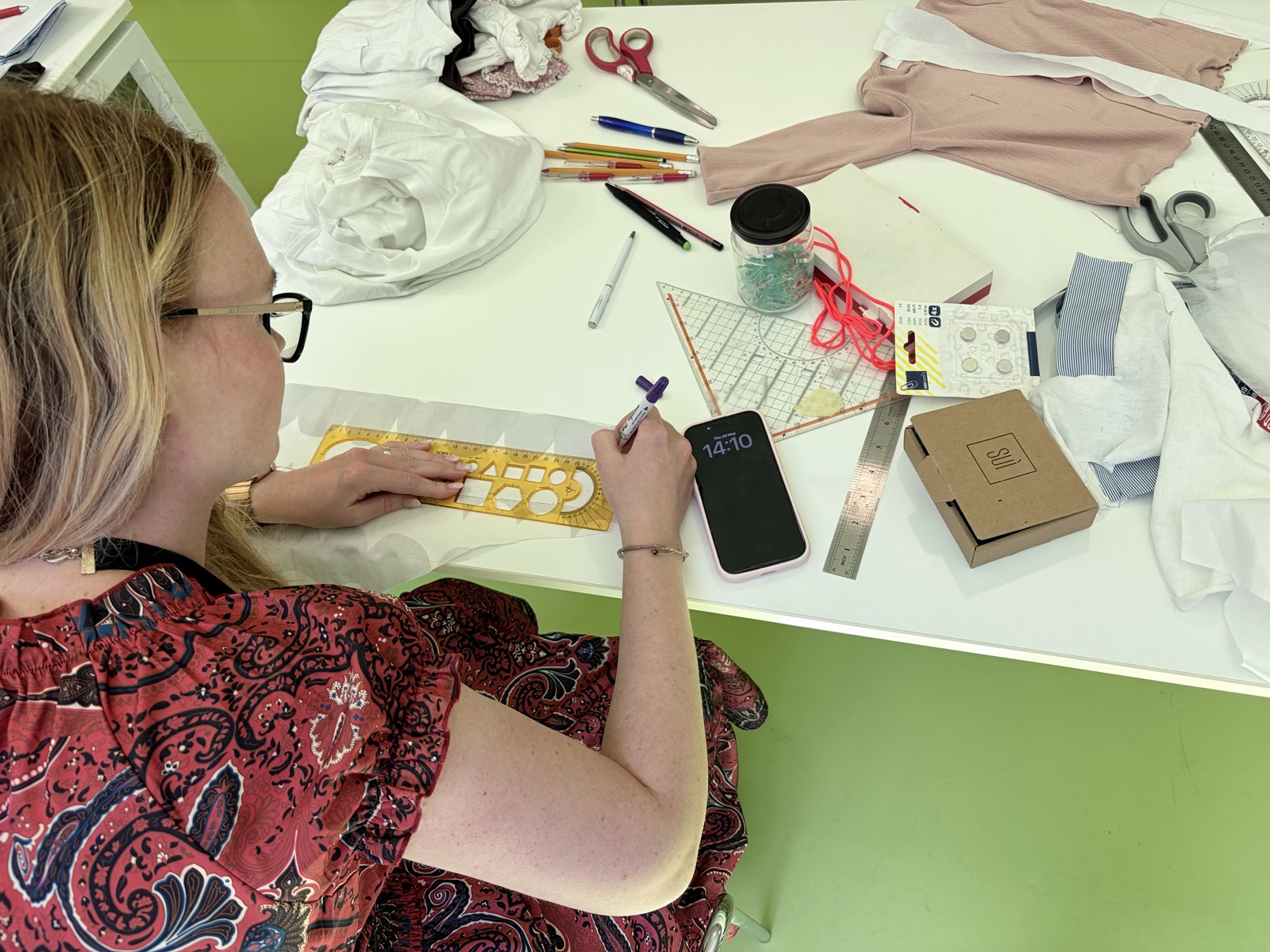
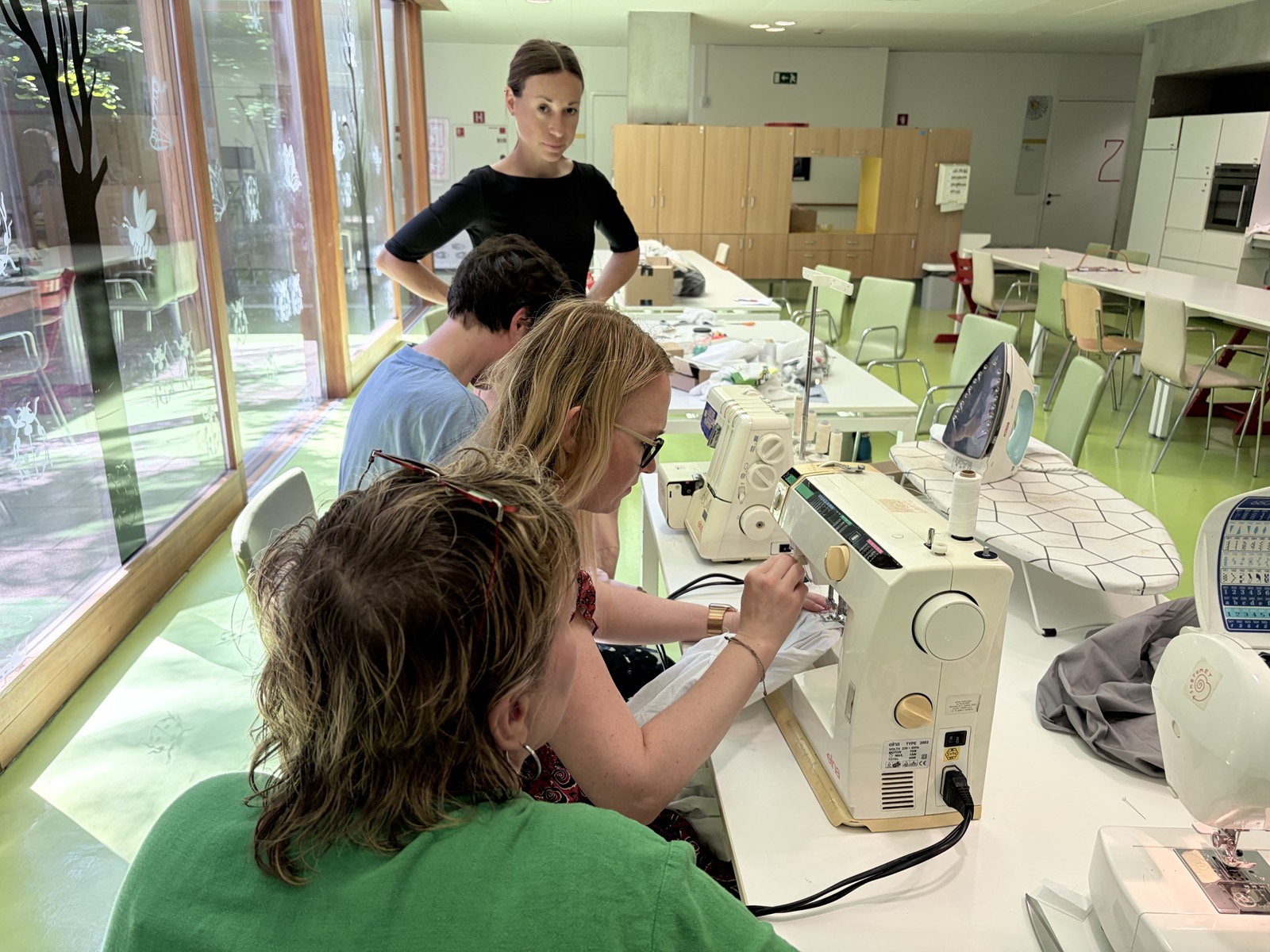
We place children at the center of the design process. In creative workshops, together with them, their parents, occupational therapists, and other experts, we explore the needs, wishes, and challenges related to clothing and dressing.
We want to enable children to actively participate in designing the clothes they will wear themselves, decide on their appearance and functionality, and express their personality through the creative process.
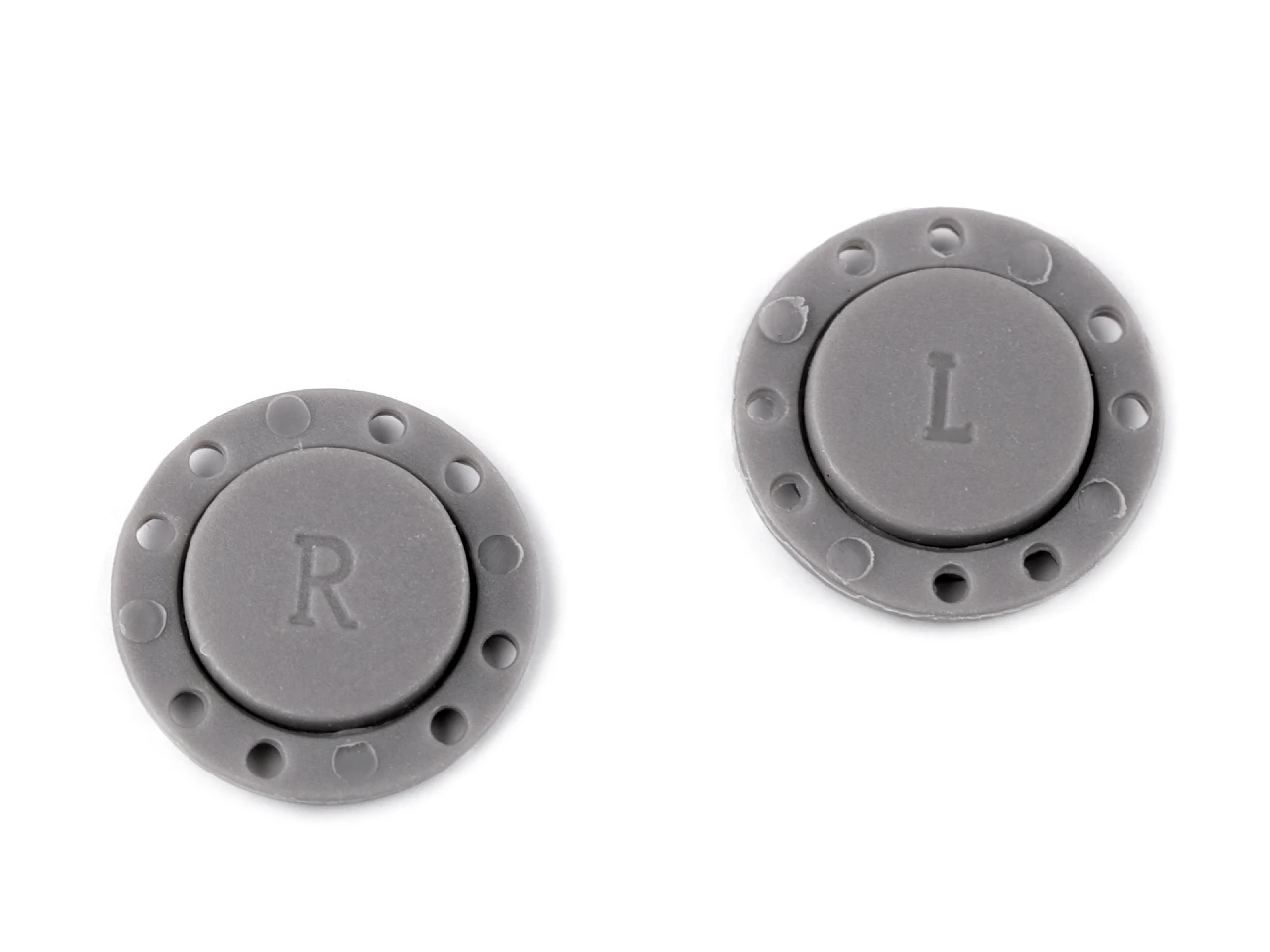
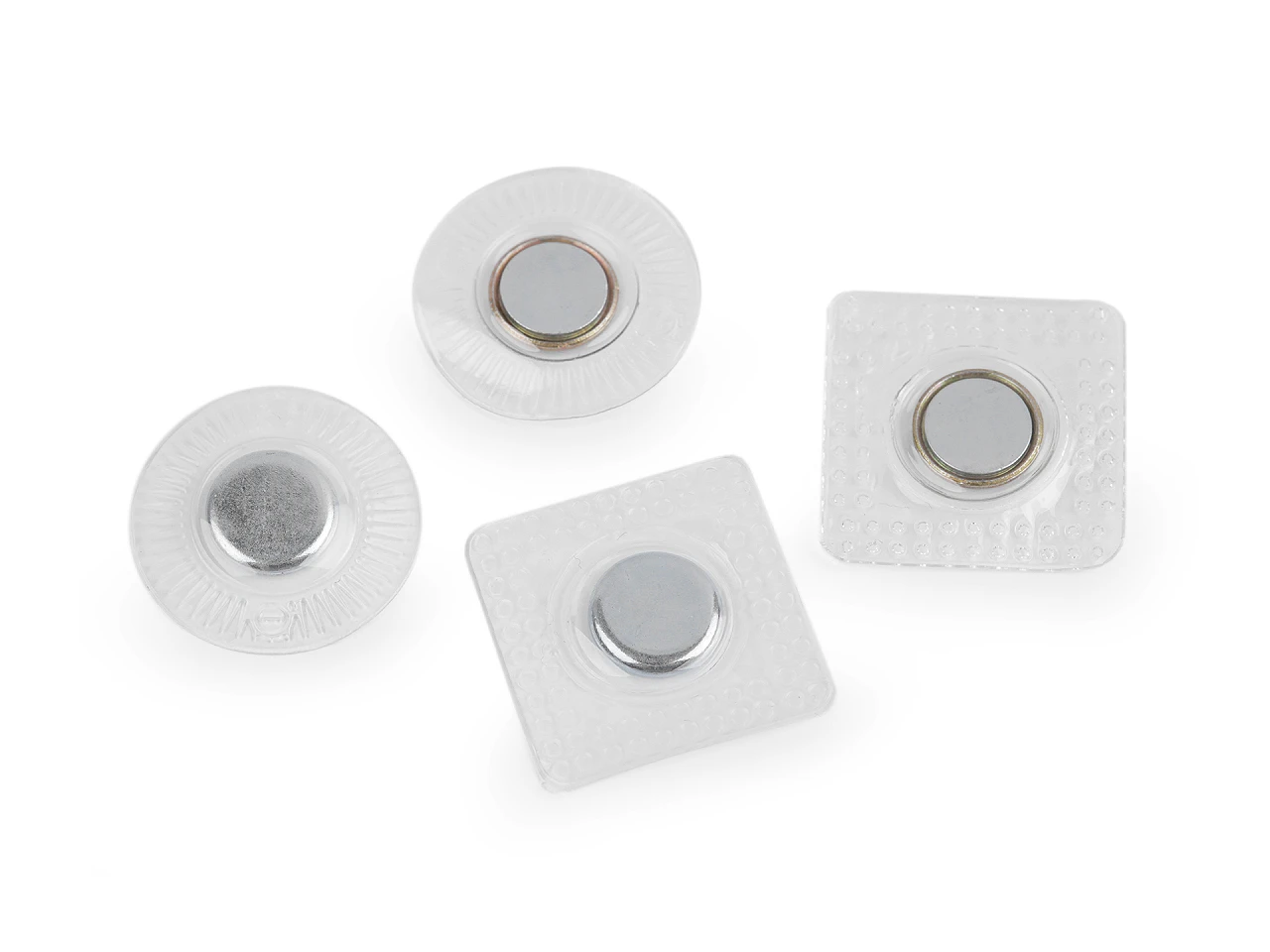
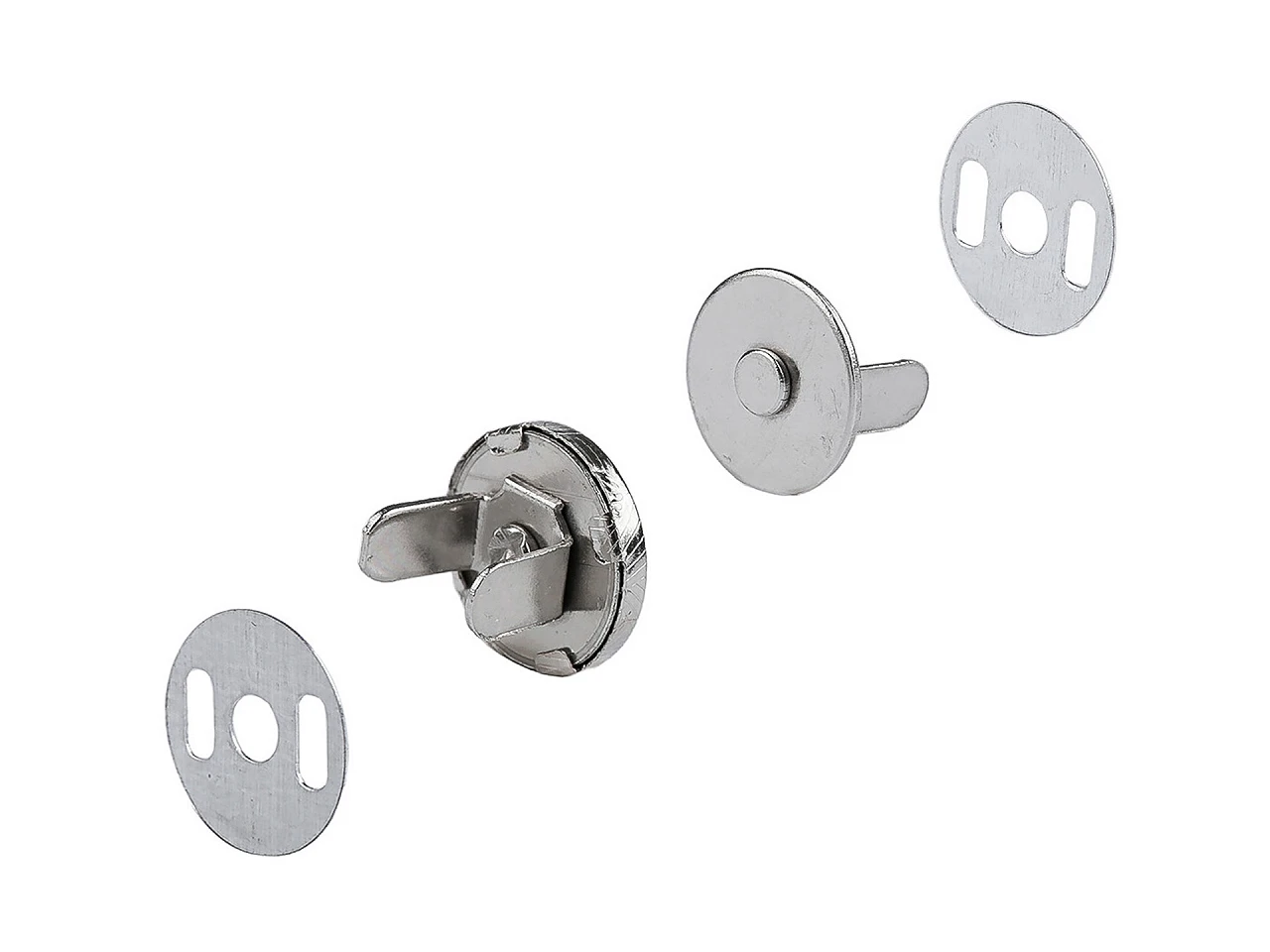
In collaboration with a fashion designer, a pattern-making expert, and an experienced seamstress, we are developing a collection of three adapted clothing pieces. In doing so, we are exploring innovative fastening methods, pattern adjustments, material selection, and personalization options. An important aspect of the project is also sustainability – the use of high-quality sustainable and waste materials and exploring the possibilities of upcycling existing clothing.
More than just clothes
Clothes are an important part of our identity, our way of expression, and our relationship with our own body. The ability to dress independently is also an important step towards greater independence.
With the project, we want to contribute to greater independence for children, improvement of their self-image, strengthening of their sense of self-worth, and better physical and mental well-being. At the same time, we want to relieve the burden on parents and introduce design as a tool for empowering children to rehabilitation professionals.
Design accessible to everyone
The goal of the project is to equip at least 25 children with at least two pieces of adapted clothing and to develop solutions that will be useful even after the project ends.
Patterns, manufacturing instructions, and recommendations for material selection will be freely and openly available online based on the open-source design principle. They will be usable by parents, seamstresses, designers, healthcare institutions, and anyone who wants to make or adapt clothing.
We will also present the design process and the resulting collection at an exhibition aimed at spreading knowledge, raising awareness, and encouraging inclusive design.
With the MOST project, we want to lay the foundations for long-term integration of design and rehabilitation medicine and encourage the development of accessible, inclusive, and sustainable fashion.
Fashion is for everyone. Independence should be too.
PDF patterns
Trousers


Jacket




The project is co-financed within the framework of the Public Call for the selection of projects for inter-ministerial connection of culture and health in the years 2025 and 2026 (JR KIZ 25-26).

bottom of page